

To facilitate access to cognitive decline care services, together with Zucchetti Healthcare, we co-designed Familiar, a digital platform aimed at caregivers and healthcare professionals.

Cognitive decline is a condition that affects not only those who suffer from it but also extends to family members and all those who care for the patient daily. This creates a system of relationships between different actors, from caregivers to healthcare service providers, local institutions, and the community, each involved to varying degrees depending on the stage of the disease and their role in the care process.
In this case, this cross-cutting nature risks translating into a series of social and systemic difficulties, such as those family members encounter when trying to find reliable information or know who to turn to in times of need, thereby complicating access to care services as well as the management and well-being of the patient.
How can we facilitate interactions related to cognitive decline care among local institutions, the community, and healthcare service providers and recipients?
The strategy adopted involved deconstructing complexity and analyzing the ecosystem of relationships that exist between the various stakeholders throughout the entire care process. This was achieved through a process of listening and participatory co-design sessions with both experts and the stakeholders themselves, allowing us to identify the main urgencies and critical issues to address.
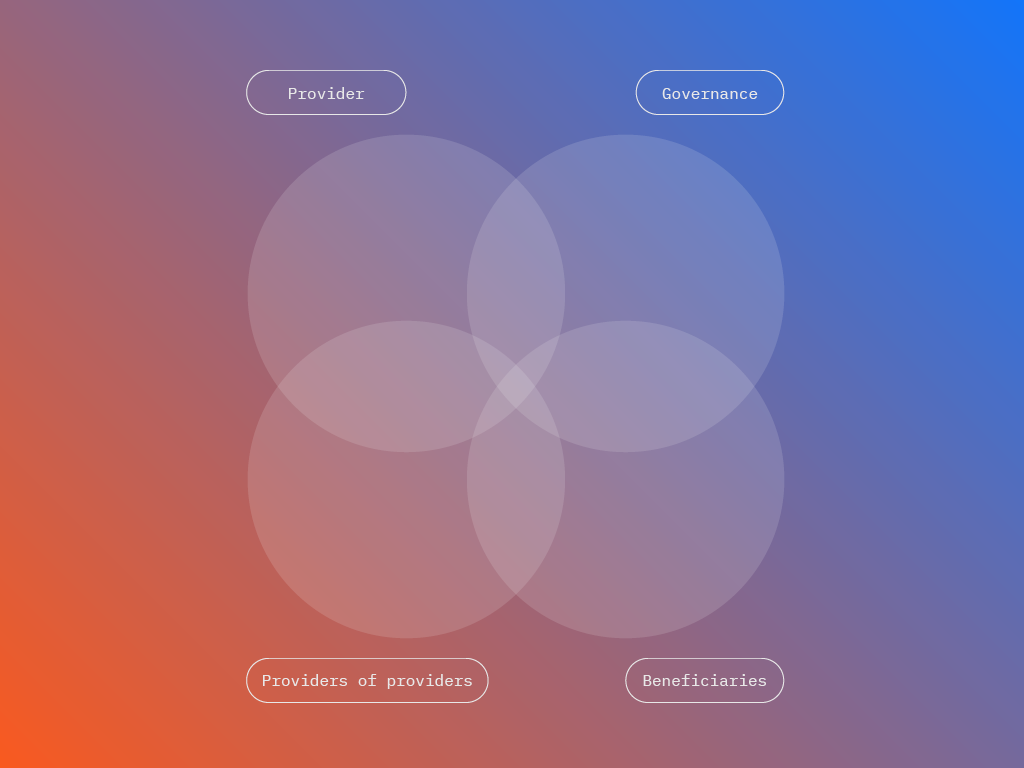
The first step we took to frame the complexity of the context was mapping the various actors, co-creating a stakeholder map with project partners that allowed us to identify four main clusters of stakeholders – beneficiaries, service providers, providers of providers, and governance.
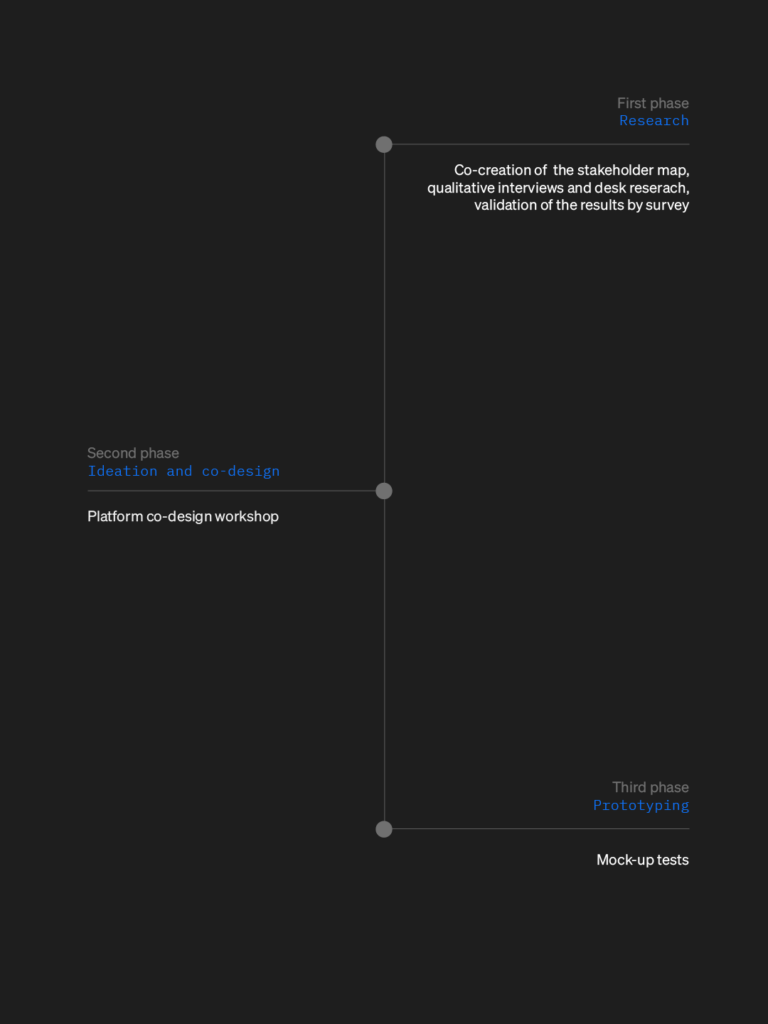
Subsequently, we conducted a series of qualitative interviews with some of the identified stakeholders and mapped the journey of the entire care process for patients with cognitive decline, from the first warning signs to admission into a care facility. The first phase concluded with a desk research activity dedicated to collecting inspirational case studies, which we later shared with the partners during the ideation phase to stimulate the generation of ideas for the platform.
The points raised during the interviews and the results of the desk research led us to the second phase of the project: the ideation and co-design of the platform. At the Zucchetti Healthcare headquarters in Rovereto, together with academic experts from Bocconi University, Zucchetti technology experts, technicians from nursing homes (RSA), and social services, we conducted an initial co-design workshop to understand which of the four clusters the platform should primarily target. This was followed by a second online workshop to further define the functionalities of Familiar.
The listening to all stakeholders involved in the care process and participatory design allowed us not only to identify caregivers and social-health operators as the beneficiaries of the platform but also to understand how the professional training of these beneficiaries is a key aspect in facilitating access to healthcare services.
We then provided support and monitoring to Zucchetti, which, based on the minimum functionalities of the platform identified during the last workshop, began developing the first interfaces of Familiar. Tests with real users on the mockups—low-definition prototypes of the platform—are still ongoing in three residential care facilities.
Zucchetti Healthcare
UPIPA – Unione Provinciale Istituzioni Per l’Assistenza
AIP – Associazione Italiana Psicogeriatria
Università Bocconi | CERGAS
Fondazione Bruno Kessler
ICT Legal Consulting