

Reigniting the cultural and social life of a building that had stood silent for over twenty years lies at the heart of the urban regeneration project for the Ex Telefoni di Stato in Bolzano: a space of more than 4,000 square meters ready to transform into a vibrant cultural hub capable of attracting and inspiring new generations
How can we transform an abandoned building into a cultural sharing infrastructure — a space for creative production, hospitality, local engagement, and encounters for a new intergenerational urban community?
The starting point was the process of listening and reimagining that actively involved the Consulta Giovani of the Autonomous Province of Bolzano, alongside a range of cultural, institutional, and creative stakeholders.
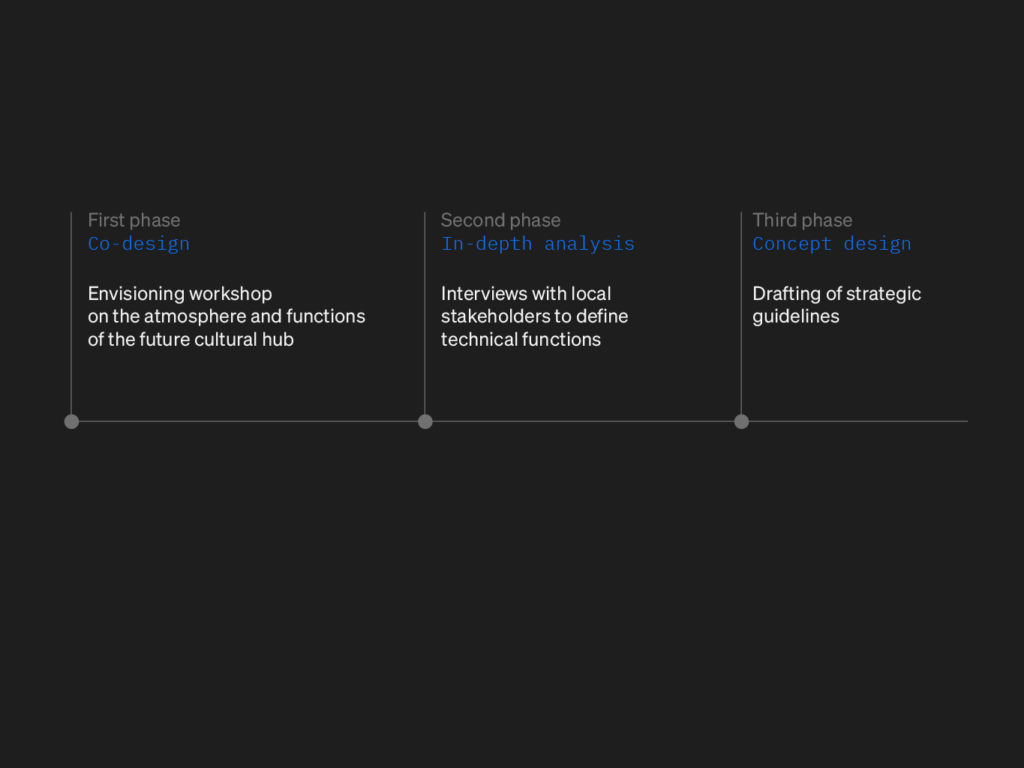
The initial concept dates back to 2017, but in 2023, in response to shifting constraints and new opportunities, a renewed co-design process was launched, entrusted to Shifton, with the aim of updating the original vision.
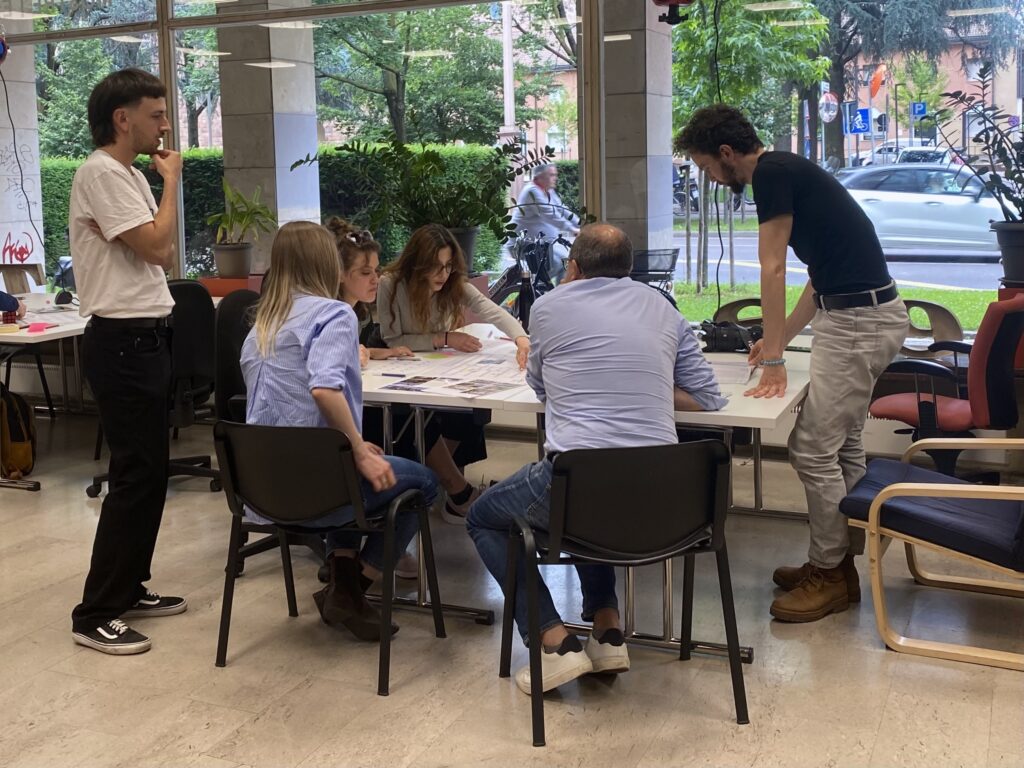
Through a workshop conducted with the Consulta Giovani Italiana, municipal technical officers, the architecture studio Busselli Scherer, and the Youth Policies Office of the Italian Culture Division of the Autonomous Province of Bolzano, the concept was redefined — placing not rigid functions at the center, but rather desires that would guide the future architectural design.
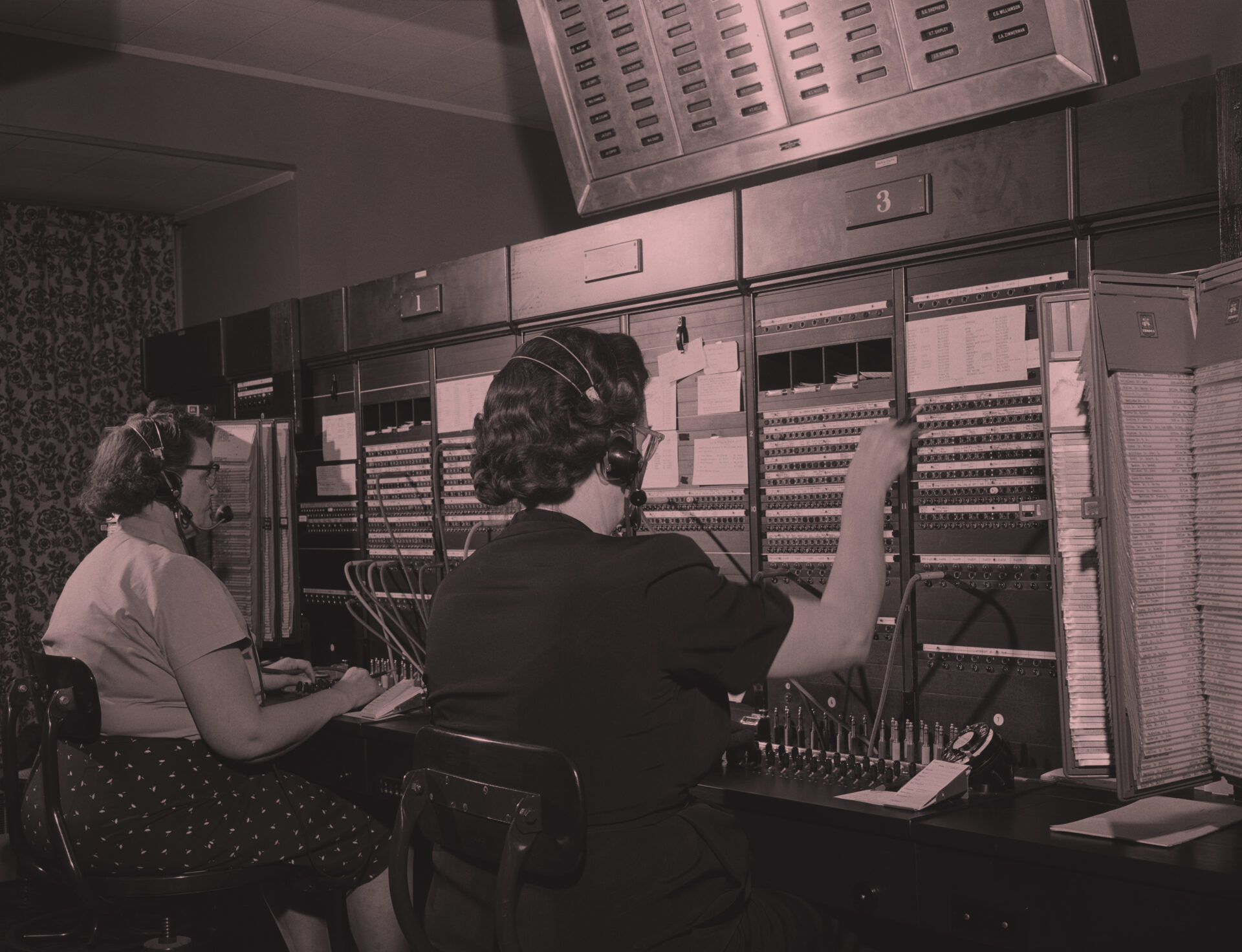
The Ex Telefoni di Stato building is a symbolic place for Bolzano, bearing witness to a technological era profoundly different from today. Between the 1960s and 1990s, it served as the nerve center for all urban, suburban, and intercity phone calls made by Bolzano’s citizens.
The activity of the telephone booths continued for about thirty years, after which the building remained closed for over two decades.
Since 2019, the ground floor has hosted DRIN, a co-working space designed for young creatives aiming to network, collaborate, and embark on (self)entrepreneurial paths in the artistic and cultural sector.
The project looks toward 2028 as its horizon for full activation, envisioning the building as a vertical, vibrant, and permeable piazza for the community.
The process began with a series of activities to explore the building’s past and its future role within the local context. The co-design work carried out with workshop participants allowed us to define the guiding principles for the strategic framework: verticality as a metaphor for connection between spaces and generations; the concept of safe space to guarantee inclusion and hospitality; euphoria as a driver of creativity and collective well-being; the balance between intimacy and openness; conviviality as the daily construction of relationships; and narration and memory as ways to root the building’s identity and inspire new futures.
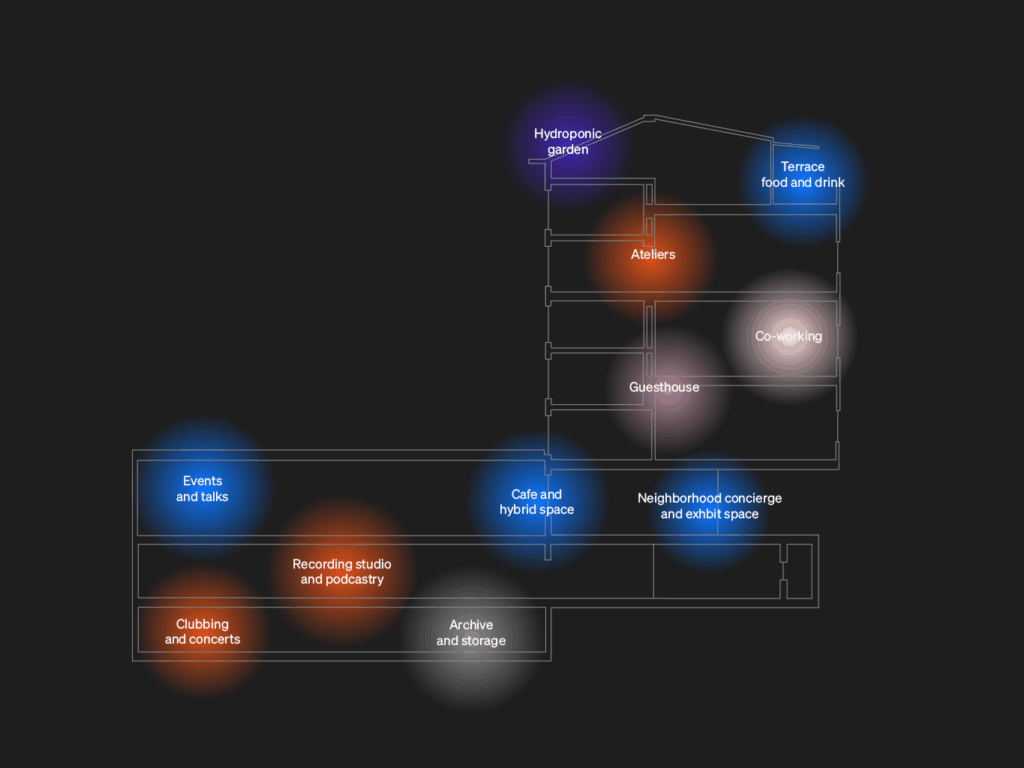
Based on these principles, several key functions were identified for the future of the building: flexible, permeable coworking spaces and study rooms, a foresteria (residence) for artists and students, a podcasteria and recording studios to enhance the site’s historical vocation for communication, creative labs and exhibition spaces, a clubbing and concert area, a rooftop urban hydroponic garden, and two bars designed as spaces for meeting and socialization.
The Ex Telefoni di Stato building is envisioned as a space for innovation, education, artistic production, and creative cross-pollination within the cultural sector. It will be a generative ecosystem — but also a center for active citizenship and the provision of local welfare services — challenging isolation and fostering collective living, participatory culture, freedom of expression, and the creation of new urban imaginaries.
Ufficio Politiche Giovanili Provincia Autonoma di Bolzano
Ripartizione Cultura Italiana